Community Oriented Actions against HIV (C.O.A.C.H)
The main goal of the project is to strengthen Community prevention
and treatment of HIV and TB/HIV coinfection. The project is supported by The
Italian Agency for Development cooperation (AICS) and is being implemented in
Machakos county, specifically in Mwala sub-county.
Facilities of Intervention
v Mbiuni
Health center
v Mwala
Level 4 Hospital
v Masii
Level 4 Hospital
v Muthetheni
Health Center
v Wamunyu
Health Center
General Objective: End AIDS, Tuberculosis and Malaria
Specific Objective: strengthen integrated and individual
community-based prevention and treatment services for HIV and TB/HIV co-infection
in Machakos County
OUTPUT 1: Strengthening the socio-health system for community-based
HIV prevention and individualized care for people living with HIV
Activities include;
1. Multi-level training program for healthcare personnel and community
health workers to combat the Triple Threat and manage HIV comorbidities.
2. Awareness program for the prevention of sexually transmitted
infections (STIs) and gender-based violence in schools, universities, and communities.
3. Youth engagement services and strengthening of Youth Friendly
Centers (YFC).
OUTPUT 2: Strengthening integrated healthcare services for the
prevention of Vertical Transmission of HIV within the HIV/TB package
Activities include;
1. Support for the national Mentor Mothers Program to refer reproductive-age
women to HIV vertical transmission prevention services (PMTCT).
2. Strengthening screening and management of HIV/TB coinfection.
3. Operational research for improving the quality of PMTCT and HIV/TB
coinfection services.
4. Integrated sensitization for community health.
Implementing Partners;
Medicus Mundi Italia (MMI)
County Directorate of Health, Programs and Partnerships in Machakos
University of Verona (Dipartimento di Diagnostica e Sanità Pubblica)
Deaf Empowerment Kenya
Educational and Work Inclusion for Young Students with Disabilities (Edu-WISE) Project
The Edu-WISE project aims to promote inclusive education and ensure equal access to the labour market for young people with disabilities and vulnerable youth through awareness campaigns, institutional strengthening, and the establishment of inclusive vocational training opportunities. The project will focus on 3 counties; Nairobi, Muranga and Makueni. This project is supported by the Italian agency for Development and Cooperation (AICS) and is implemented through an equitable partnership between CEFA – European Committee for Training and Agriculture ETS (Lead applicant); L’Africa Chiama Onlus NGO; TVETA – Technical and Vocational Education and Training Authority; NCPWD – National Council for Persons with Disabilities; FKE – Federation of Kenya Employers; ARCO-PIN – Action Research for Co-development, University of Florence, and Deaf Empowerment Kenya.
Expected Outcomes;
Outcome 1: Promoting access and participation of
persons with disabilities in inclusive vocational training at community level
The project will strengthen the role of Organizations of
Persons with Disabilities (OPDs) in driving inclusion at community level.
- Key
activities include:
- 1. Establishing
3 County-Level OPD networks.
- 2. Training
450 OPD members on advocacy, governance, and leadership.
- 3. Holding
dialogue platforms between OPDs, TVETA, NCPWD, and employers.
- 4. Conducting
awareness campaigns through theatre, radio, and social media to promote
disability inclusion.
Outcome 2: Improving educational services for the
inclusion of students with disabilities and vulnerable youth within the network
of technical and vocational education and training institutions
The project will improve access to and quality of education
for students with disabilities and vulnerable youth within technical and
vocational training institutions.
Key activities include:
- 1. Reviewing
TVET Curriculum to integrate inclusive methods and adaptive materials.
- 2. Supporting
vocational training centers to become inclusive, accessible, and
sustainable in each County.
- 3. Providing
students with employability, life skills, and business start-up support.
- 4. Establishing
technical working groups for disability mainstreaming.
- 5. Removing
architectural barriers and providing adaptive equipment.
- 6. Supporting
income-generating initiatives and providing scholarships.
Outcome 3: Enhancing the transition from vocational
training to employment through inclusive labour market opportunities, private
sector engagement, and entrepreneurship support for PWD
The project will connect vocational training graduates with
job opportunities and promote inclusive business practices.
Key activities include:
- 1. Training
companies on disability inclusion and corporate social responsibility.
- 2. Organizing
school–business forums and job fairs to link employers and youth.
- 3. Facilitating
internships and career guidance sessions.
- 4. Providing
seed grants to young entrepreneurs with disabilities.
- 5. Developing
a job database integrated with NCPWD’s FUZU platform.
INN2WIN Project
Kenya has high unemployment rate:
according to data (Vali strategic plan 2020-2023) 80% of unemployed people are
under age of 35 years and 90% of unemployed youth lack vocational skills and
soft skills required by the labor market. The INN2WIN project supported by Italian Agency for Development and Cooperation (AICS) aims to respond to
this issue by activating multi sectoral program through the promotion of
inclusive pathways, alignment of vocational training with the world of work. In
support for technological advancement, which can contribute to the employment
development of 40 youths in the Nairobi metropolitan area, including Kiambu,
Machakos and Kajiado counties. Specifically, the program aims to strengthen the
services of the public vocational training system to foster job placement and
entrepreneurship pathways in the area of digitalization and technological
innovation for vulnerable youth, with focus on 20 youths with disabilities and
20 survivors of gender-based violence.
Project Key Interventions:
Coordination and promotion: strengthen national level coordination between training institutions and local businesses to improve skills matching and the effectiveness.
Improvement of technical skills and soft skills: Strengthen the competency-based education and training approach promoted by local authorizes, implementing targeted training sessions to improve both technical and soft skills teachers and students in vocational training institutions, aligning them with labor market requirements.
Technological infrastructure: provide technological resources and advanced tools to Vocational training centers to improve the quality of training in digitalization and technological innovation.
Entrepreneurial development: Initiate support programs for the creation of startups and micro small enterprises in the field of digitalization and technological innovation, facilitation access to financing and mentorship for young entrepreneurs.
Youth Voice Project
Youth Voice
Project implemented by Deaf Empowerment Kenya, is an initiative aimed at
enhancing the entrepreneurial skills of youth with disabilities deaf youths in
particular across five sub-counties in Nairobi: Embakasi North, Embakasi East,
Embakasi West, Embakasi Central, and Ruaraka. Recognizing the need to empower
youth with disabilities through practical skills that support self-reliance,
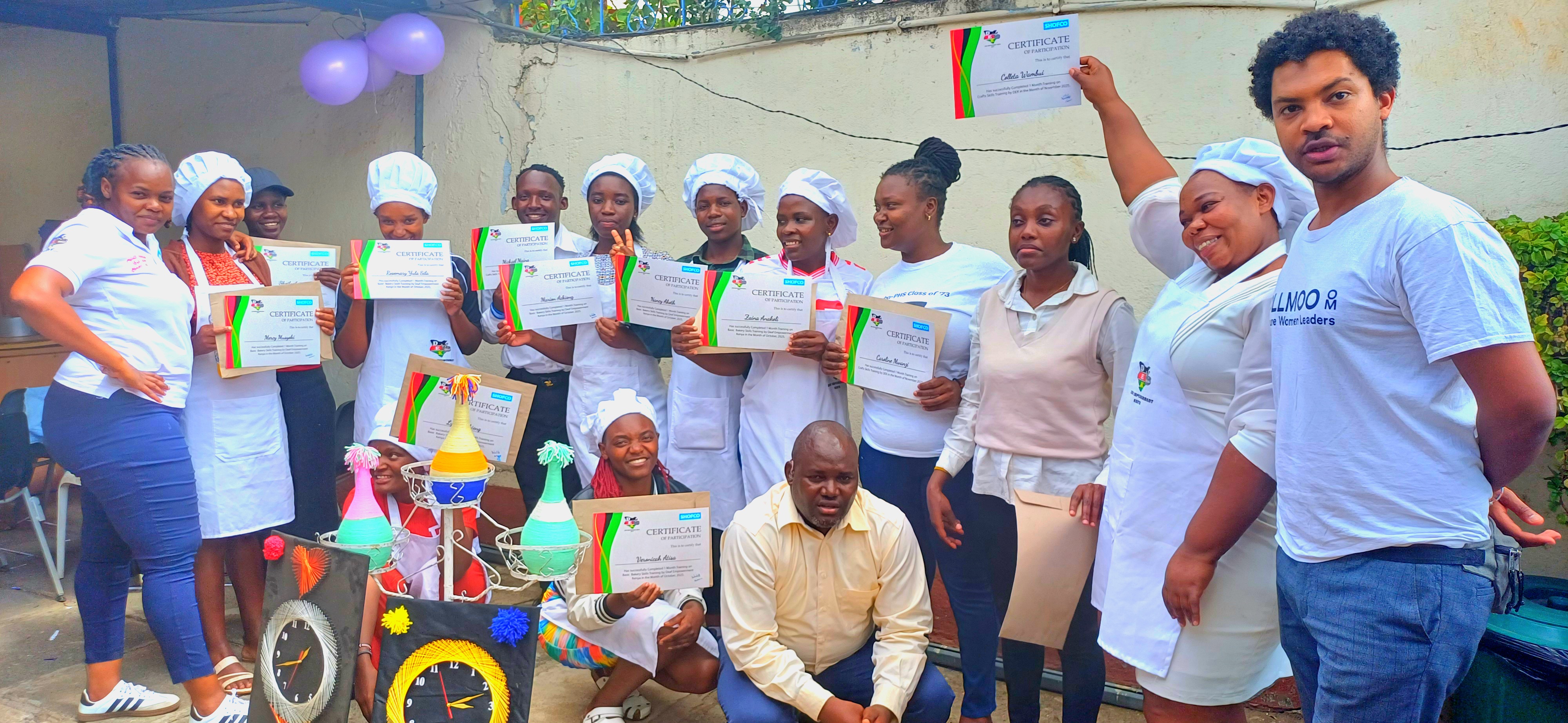
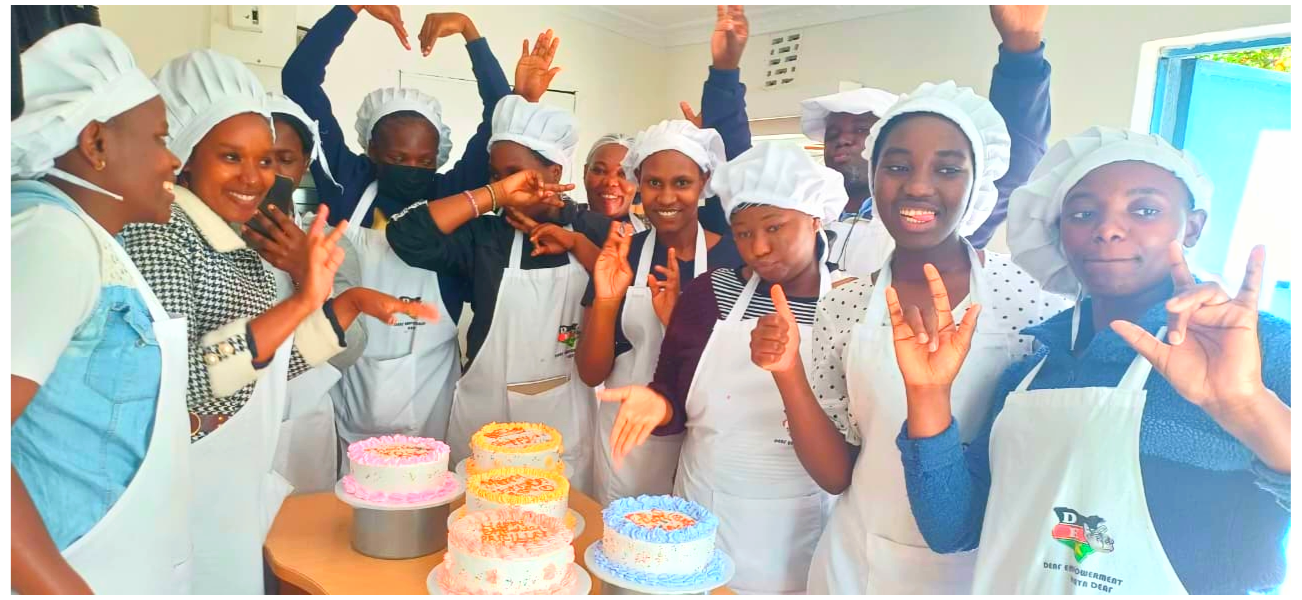
the project offered hands-on training in areas such as clock making, flower
vase creation, and bakery and pastry skills training.
Project Objectives
The main
objectives of the Youth Voice Project were as follows:
Enhance Entrepreneurial Skills
To provide
youth with disabilities with practical entrepreneurial skills that would allow
them to create income-generating opportunities, with a focus on creative and
marketable crafts and bakery skills.
Promote Self-Reliance and Economic
Empowerment
To foster
self-reliance among young people with disabilities by equipping them with
skills in hands-on crafts, enabling them to start small businesses and engage
in productive activities within their communities.
Increase Inclusion and Representation
To ensure
that youth with disabilities are included in economic empowerment programs and
to amplify their voices by providing a platform where they can gain visibility
and recognition for their talents and contributions.
Facilitate Peer Support and Networking
To encourage collaboration among youth with disabilities, fostering a sense of community and peer support that would promote collective growth and resilience in entrepreneurship
Key Outcomes and Achievements:
The Initiative directly trained and certified 60 youths (50 females and 10 males). Participants showed increased confidence and self efficacy in the skills given. 25 youths showed interest in starting their own bakery ventures.
Green Youth 360 Project
Brief situational analysis in Garissa County at Dadaab camp and Turkana County at Kakakuma refugee's camp
The challenges faced by refugee and host community youth, including:
1. Limited access to education, employment, and training.
2. Lack of awareness, knowledge, and skills for climate action.
Environmental Impact
Environmental impact of youth actions in refugee camps:
1. Use of non-renewable energy sources.
2. Deforestation and its consequences.
3. Waste generation and improper disposal.
4. Environmental and health risks.
5. The decline in forest cover in refugee camps
Call to Action
Encourage youth involvement in environmental sustainability:
1. Education and awareness campaigns.
2. Recycling initiatives.
3. Reforestation projects.
4. collaboration with local and international organizations
Project Goal, Objectives and Outcomes
Goal- Inclusive and environmentally sustainable development through youth engagement in climate actions
Objective 1- To improve youth Knowledge on Green Skills
Objective 2- Refugees and Host community youth have improved knowledge on green skills.
Key activities:
1. Youth in Tree Planting (YTP)
2. Youth for Clean Environment (Y4CE)
3. Youth in Renewable Energy (YRE)
4. Youth in Agriculture (YIA) – Organic Farming
Green Youth 360 Project
“Empowering Refugee and Host Community Youth for Environmental Sustainability” Project Impact- impacts of the Green Youth 360 projects:
1. Environmental conservation.
2. Improved living conditions.
3. Skill development and employment opportunities for youth.
4. Replication of the best practices in ASAL region in future plans and expansion
Deaf
Empowerment Kenya is implementing a HIV grant July 2019 – June 2023 funded by
Global Fund through Kenya Red Cross Society as the principle receipt. The grant
is implemented in Machakos County; Machakos, Kalama, Kangundo, Mwala and
Kathiani sub counties and Kajiado county; Kajiado West sub county. The project
targets Adolescent and young People aged 10 – 24 years old in and out of
school.
Adolescent and young people (10-24years)
contribute to 42% of the new HIV infections in the country and hence are a
priority population. However, within this group, the focus of programming is on
adolescents and young girls and boys, and young men in priority geographies for
high impact. Factors such as; Intergenerational sex, teenage pregnancies,
sexual and other forms of gender-based violence (GBV), discontinuation of
school specially during transition from primary to secondary school, prevailing
gender norms, poor access to comprehensive sexuality education, limited access
to HIV, STI, SRH services and low socio-economic status have largely been
attributed to the high HIV incidence among AGYW compared to boys and young men
of the same age group.
The
Grants goal is to contribute to attainment of universal health coverage through
comprehensive HIV prevention, treatment and care for all people in Kenya. The
Program Objectives are; To reduce new HIV infections by 75%, To reduce AIDs
related mortality by 50%, and reduce HIV related stigma and discrimination to
less than 25%. The grant key areas of interventions are increasing access and
uptake of HIV prevention services and commodities; promoting community based
approaches to HIV service delivery; improving initiation and adherence to
treatment and reducing human rights-related barriers to HIV services. The
expected outcomes of the interventions are increase in HIV testing and linkage
to care, retention in treatment and improved viral suppression among ALHIV
beneficiaries.
The program interventions include; Condom and
Lubricant programming, Pre-exposure prophylaxis (PrEP) , Behaviors change
interventions, Community empowerment, Sexual and reproductive health services,
including STI, Addressing stigma, discrimination and violence, Gender-based
violence prevention and post violence care, Social protection interventions, Integration
into national multi-sectoral responses of AGYW programs and Human Sexuality.
Education12,239
of adolescent girls and young women have been reached with HIV prevention
programs defined package of services and CSE. Define package includes Health
Education, Risk Assessment, Counselling on Risk Behaviors and Sexual
Reproductive Health services. HIV Testing Services have been received by 7,341
adolescents and Young people. DEK has also supported 2,314 AYP living with HIV
to receive care and support services outside facilities.
"Coming from a dysfunctional background and a life full of emotional pain and struggle that almost interfered with our self-esteem, both Agnes and Mary experienced gender inequality from their family members.
There are so many young teenage wives and girls who are being misused by their family members in our society, some don't speak about it, some speak up and are told not to expose family secrets to strangers, the mentorship Programme, is giving light to so many of us who might be in such situations, as the saying goes "lack of self-awareness, makes you vulnerable" indeed the vulnerability begins in some homes and it is caused by our own parents. Mentorship sessions are giving the good kind of exposure to these AGYW'S, slowly but surely forms of GBV will one day be eradicated from our society."
Deaf Empowerment Kenya (DEK) is
a key implementing partner of this project across four sub-counties in Machakos
County. The activities are aligned within level 5,4 and 3
health facilities, targeting adolescent and youth aged 10-24 years with HIV prevention services.
The activities are divided in 3 result areas, that is
1. Prevention
2. Adherence to treatment
3. Stigma and discrimination
Each result area is handled by one partner, Deaf Empowerment Kenya, Medicus Mundi and No One Out
respectively. The program supports 6 health facilities
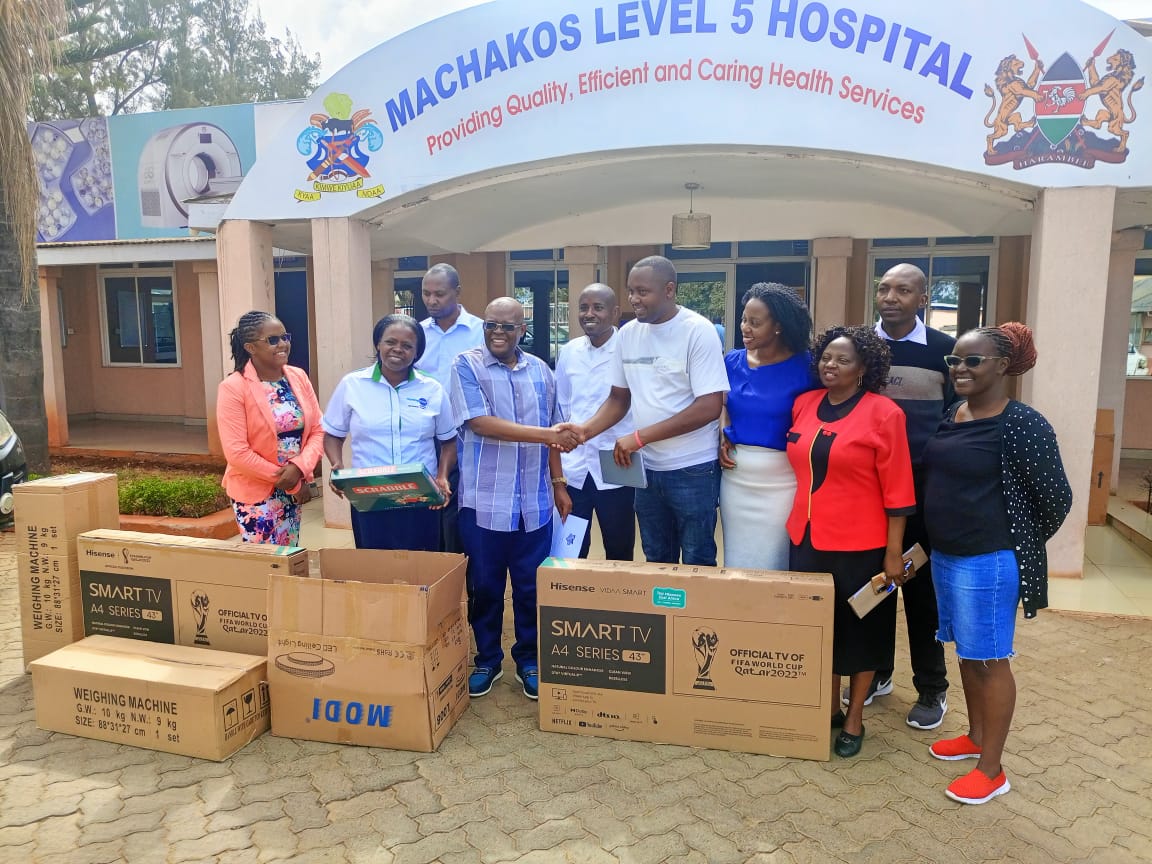
1.Machakos level 5 hospital
2. Mutituni level 4 hospital
3. Kangundo level 4 hospital
4. Kathiani level 4 hospital
5. Mitaboni level 3 health facility
6. Masii level 3 health facility
One Objective is handled by Deaf Empowerment Kenya, the facilities are attached with 10 community health
volunteers (CHV) and 1 community health worker (CHEW) each, making a total of 60 CHV and 6 Chews who assist with follow up of the ALHIV
through households visits with different services that include defaulter
tracing, nutrition health education support, adherence support, phycological support among other services. The project also supports a non-communicable in-reach activity
in the mentioned facilities once in every quarter targeting sexually active
adolescents and young women. The program targets to reinforcement of youth
friendly services in the mentioned 6 heath care facilities through equipping the
youth centers.
Objective two
that is handled by Medicus Mundi (MMI), ensures that the facilities are attached with 6
adherence counsellors and 6 peer educators, one in each facility who support
the facilities in providing adherence seasons. The program in this area also supports CME activities to the CHV, adherence counsellors, peer educators, HTS
providers and other medical staffs involved in handling PLHIV clients.
Objective three handled by No One Out, we are working with KENEPOTE in
creating awareness in ending stigma and discrimination for People Living with HIV PLHIV through
awareness creation seasons in schools in the mentioned sub counties.
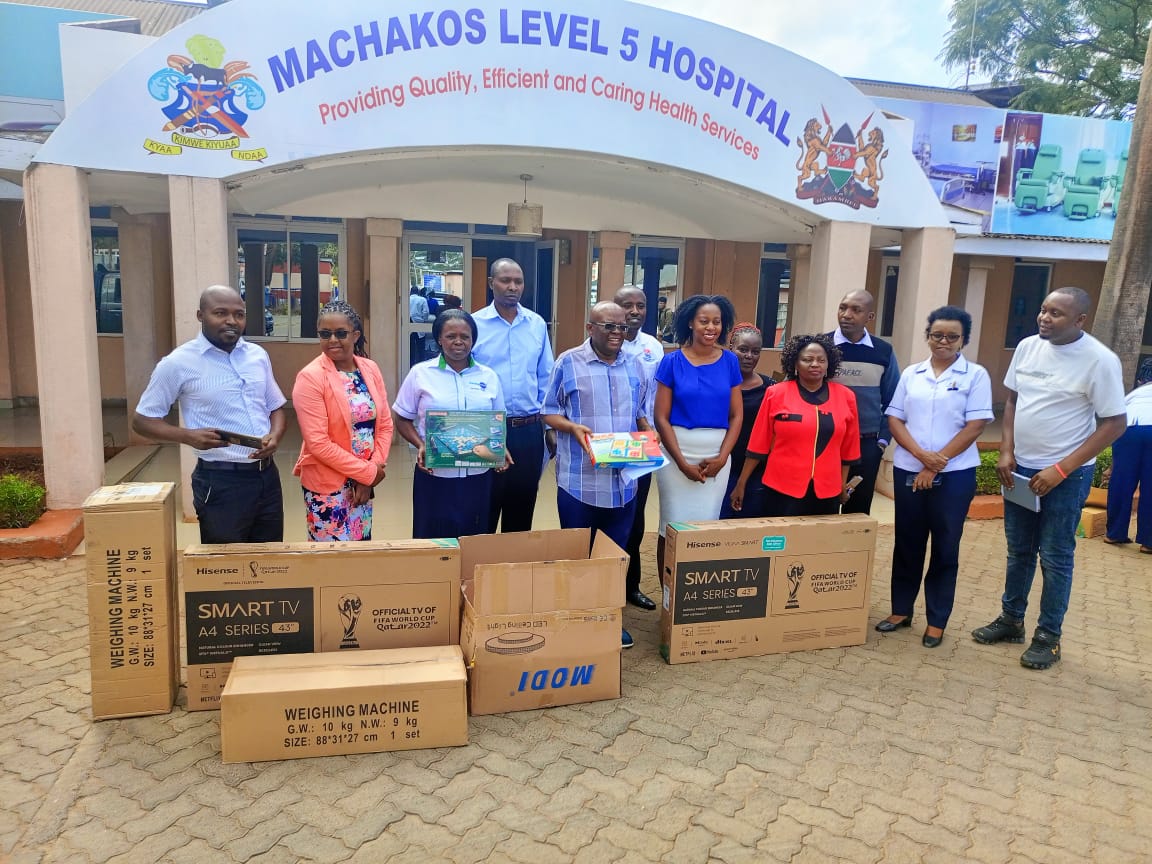
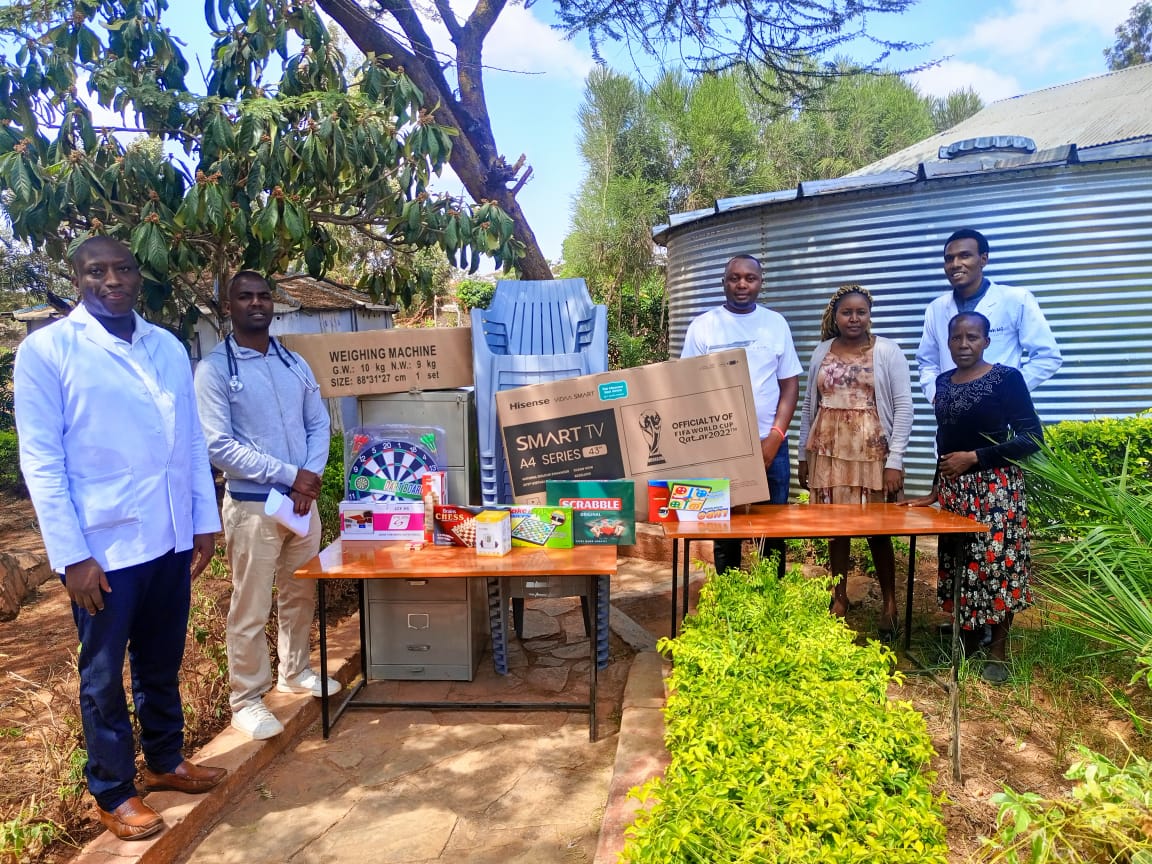
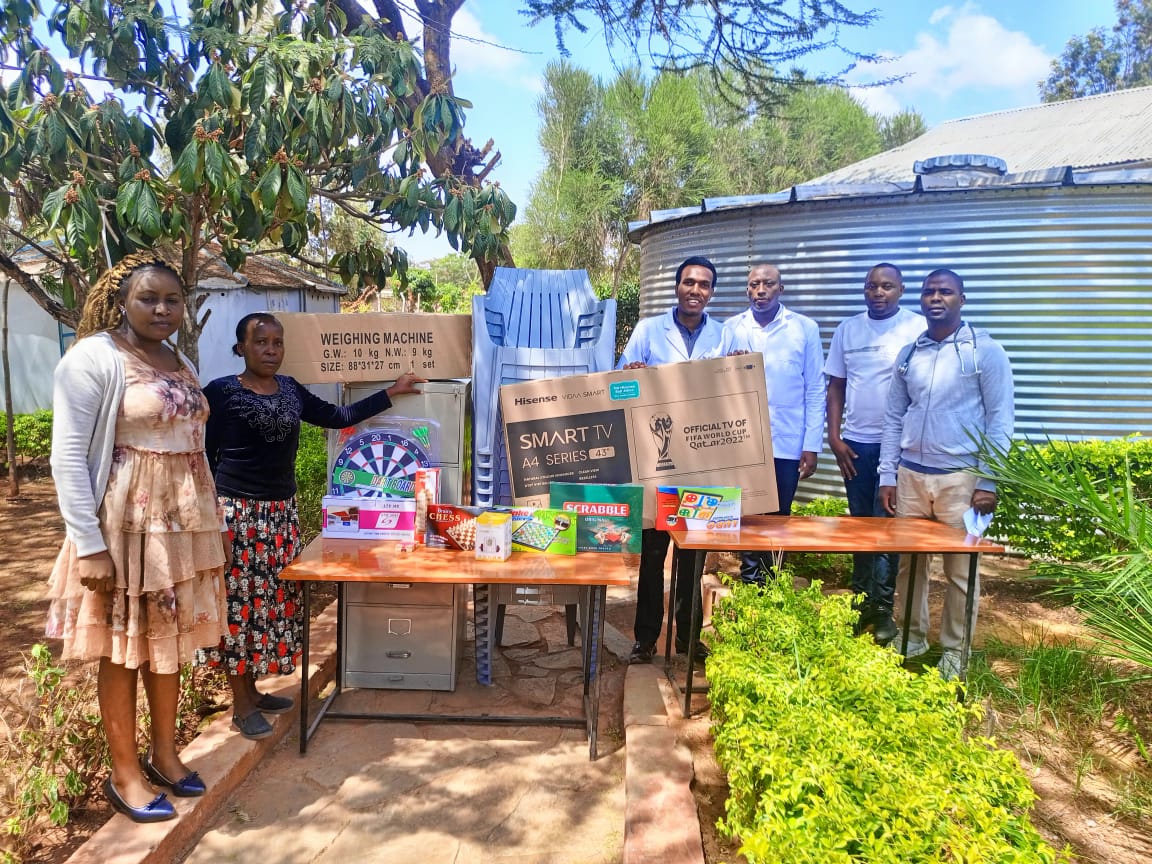
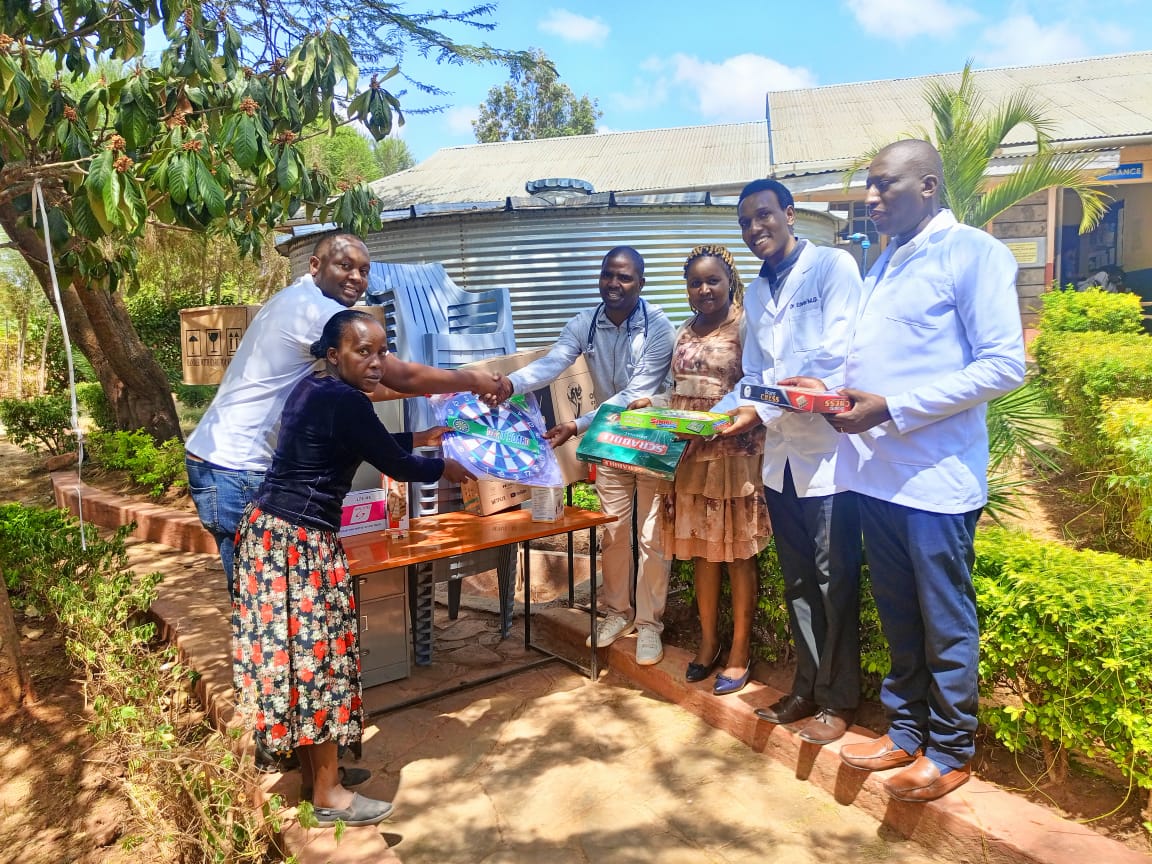
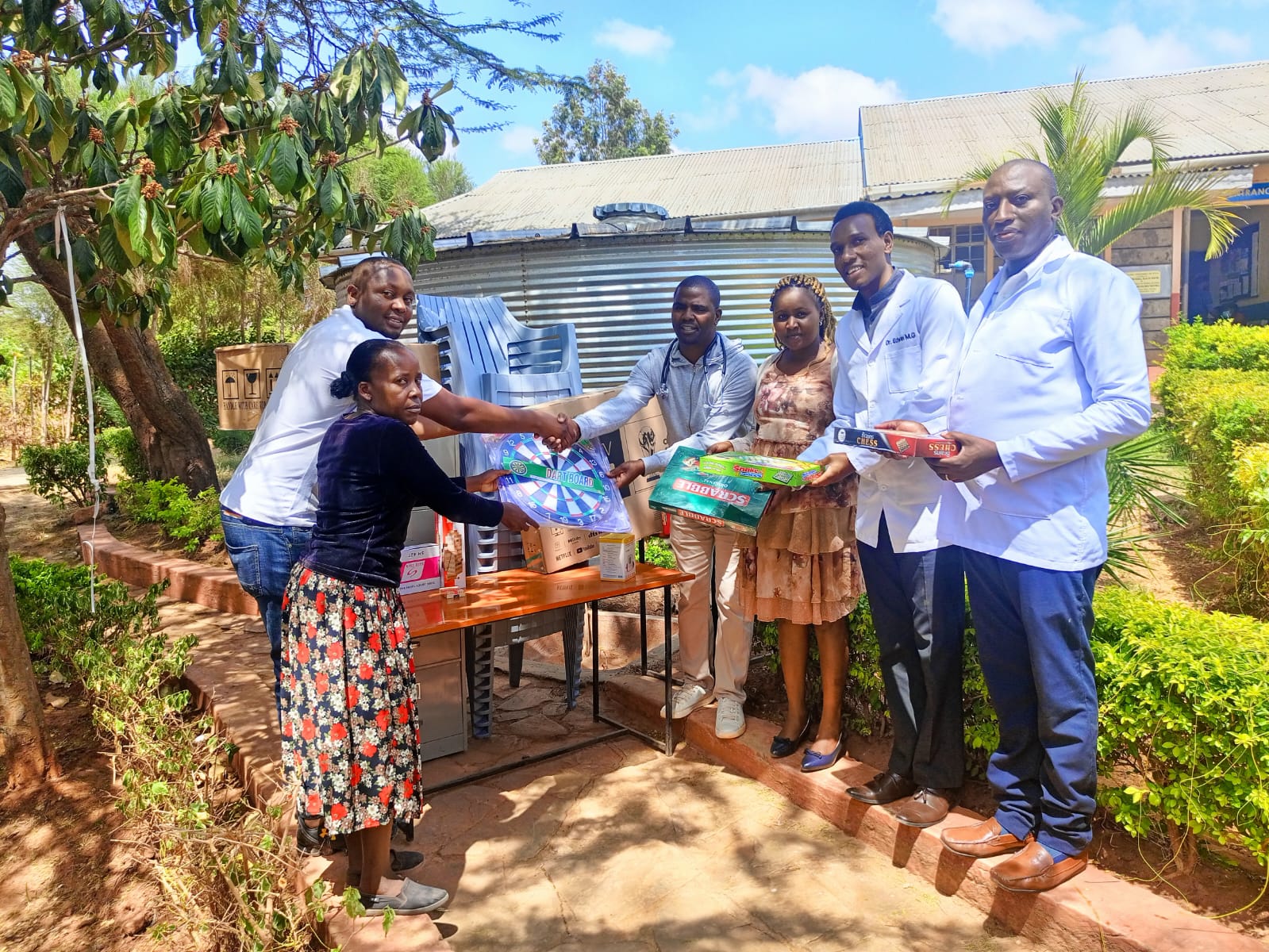
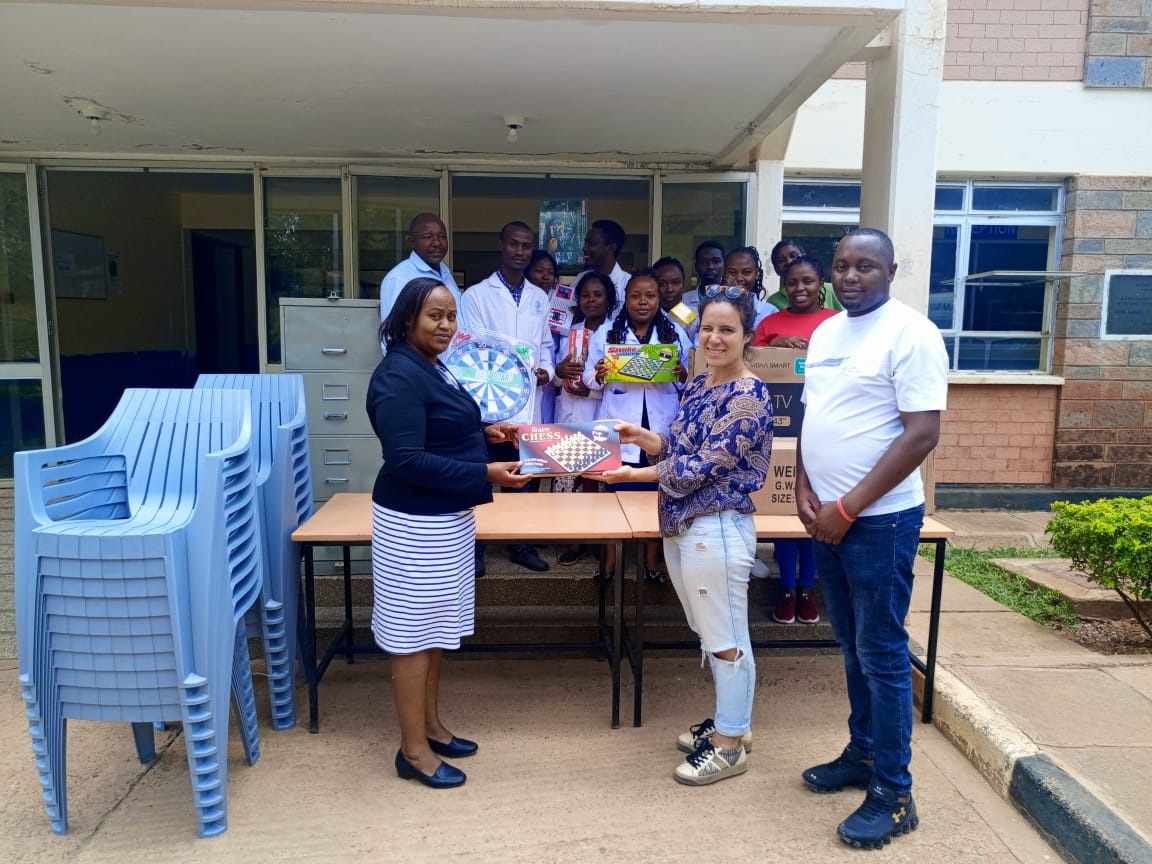
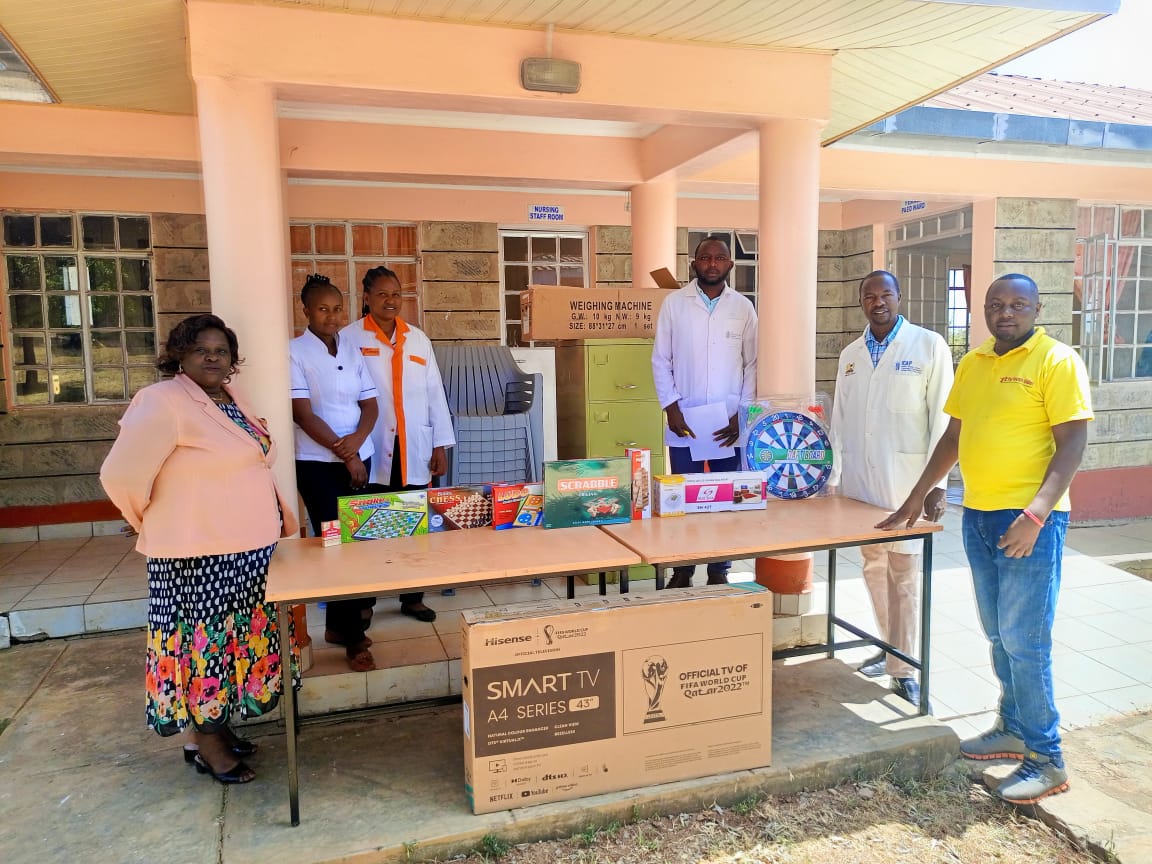
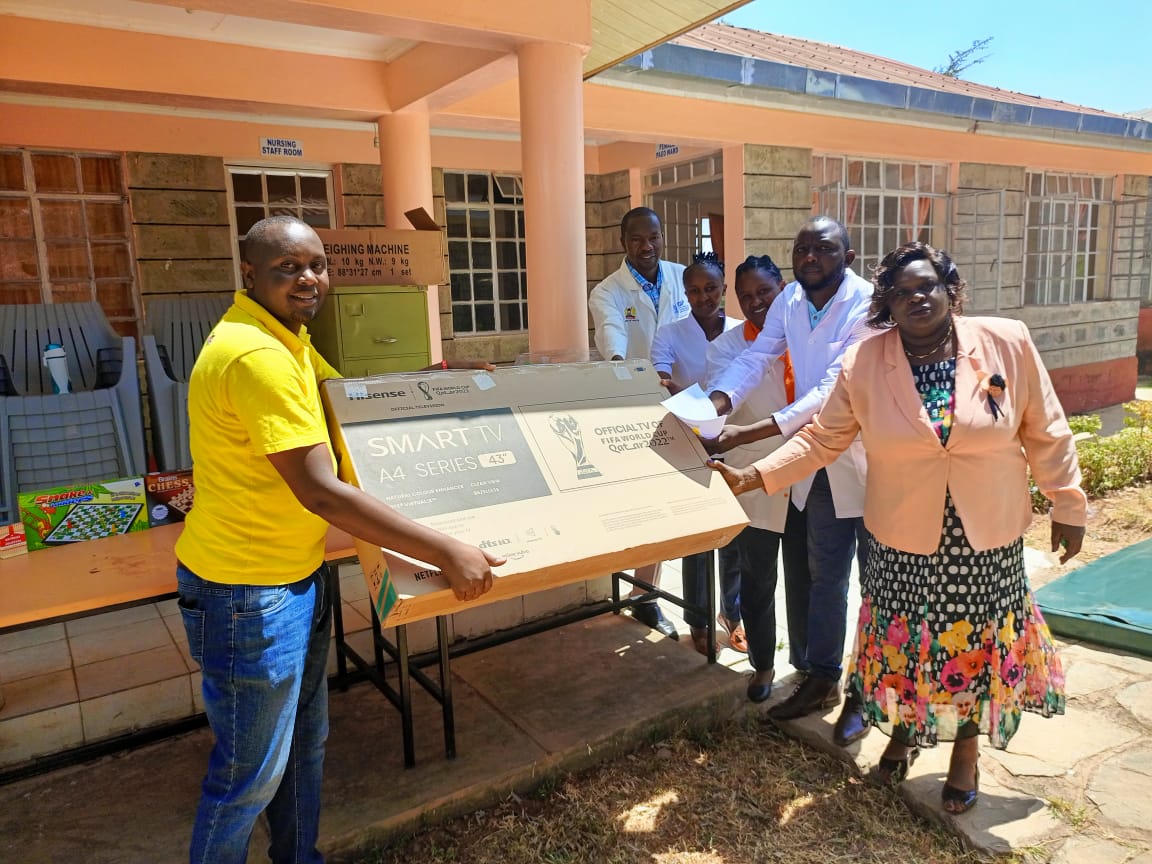
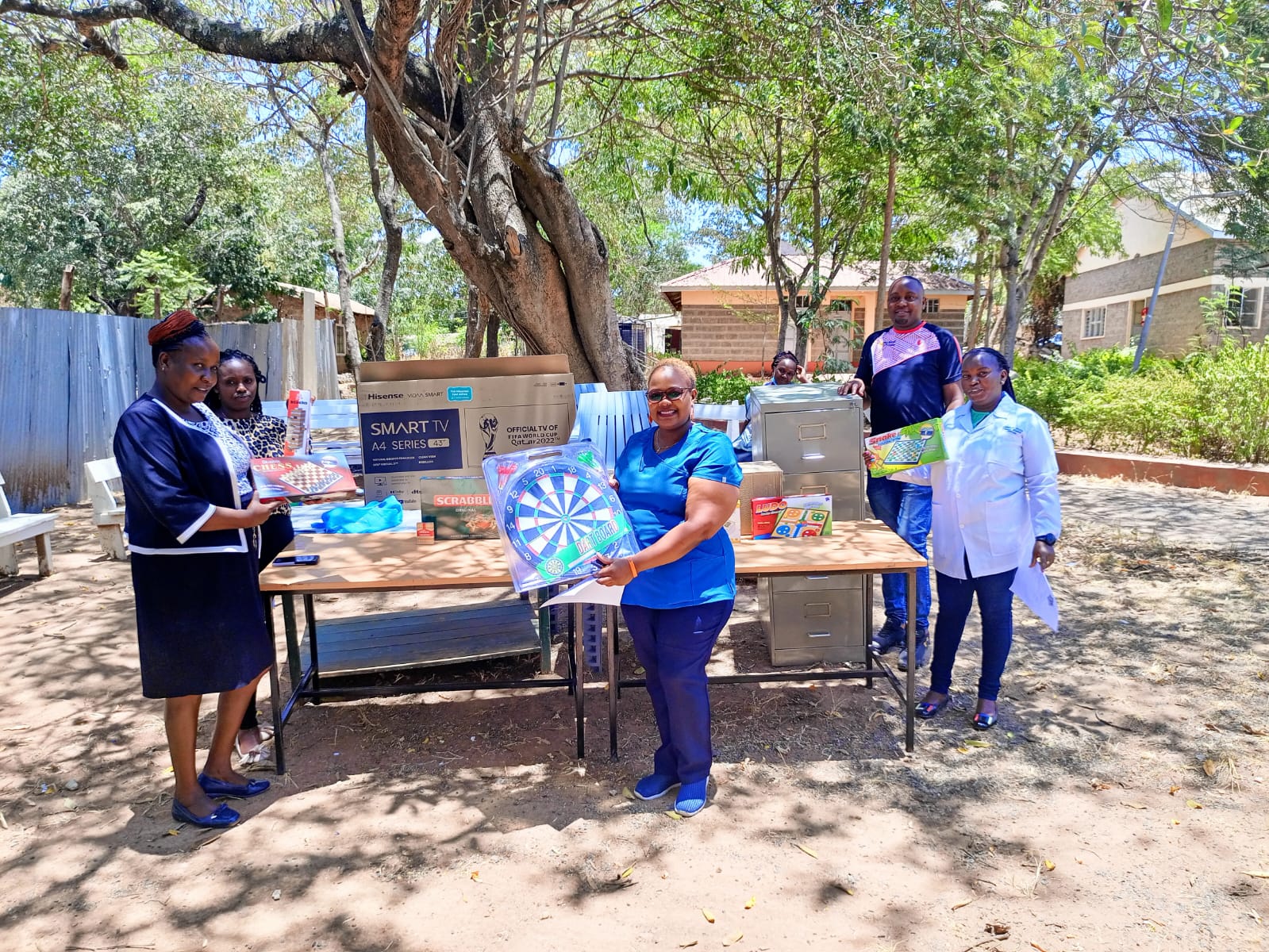
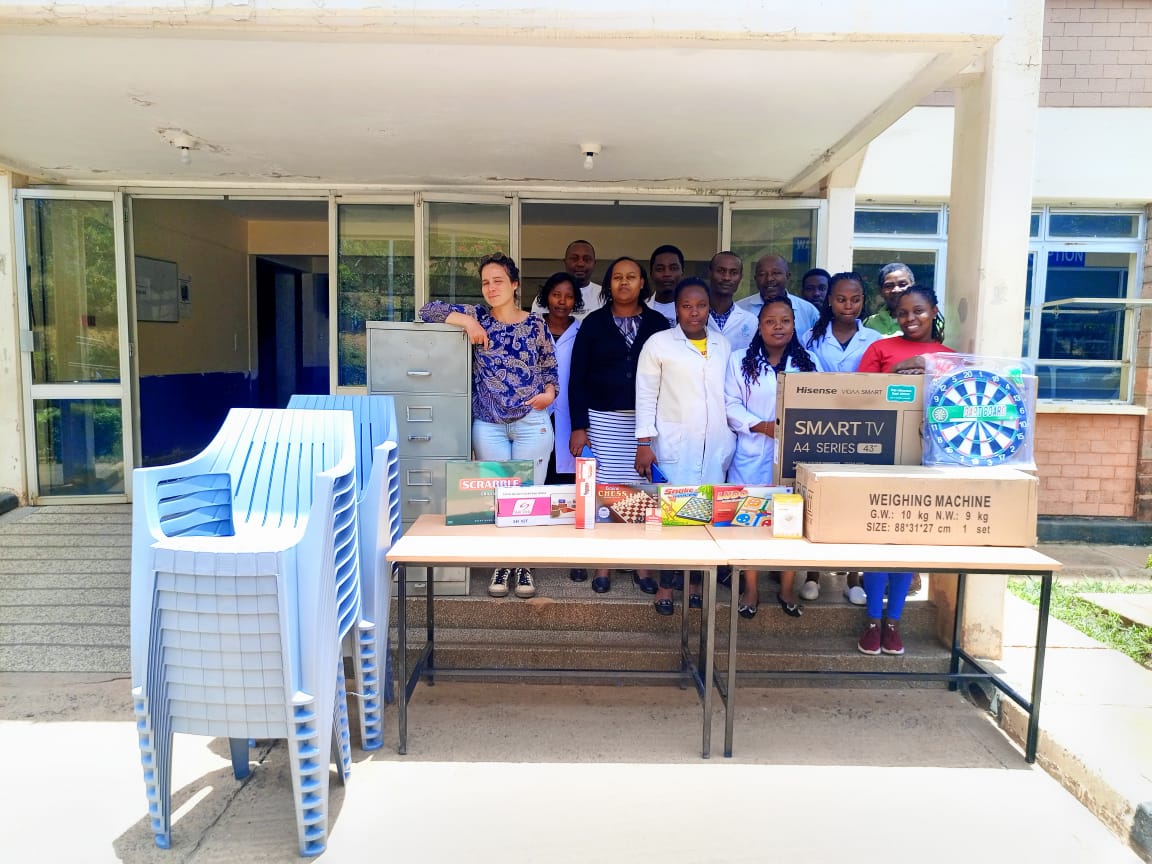
EQUIPING and Revamping of Youth Friendly Centers
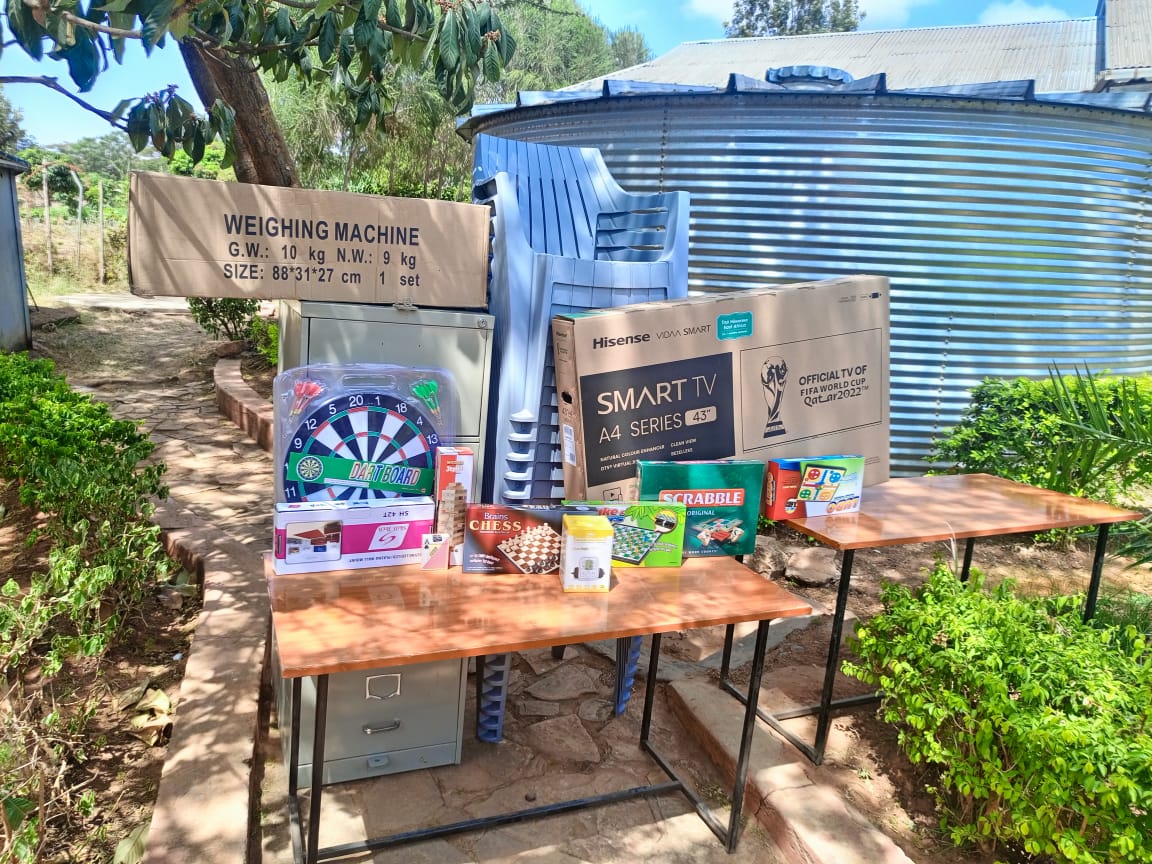
The project has seen revamping of 6 youth friendly centers in Machakos County. The centers received items to help and support them to reach the adolescents and young people in the respective communities.
As a result of Covid 19 pandemic Persons
living with disability were affected; jobs were lost, business experience loses
as some shut down Post Covid 19 recovery project in Nairobi informal
settlements targeting household of PWDs and their caregivers to equip them with entrepreneurial
skills to help them adjust, readjust and adapting to challenges brought by the
pandemic. Also sensitize on credible, accessible and reliable sources of
information on Covid19 myths/ measures to hearing impaired and to offer
intellectual, financial and professional aid.
The project reached 130 households of PWDs in
the informal settlements of Dandora, Njiru, Kayole and Soweto to improve their socioeconomic
livelihood through income generation namely supporting business startup
initiatives, small businesses linkages, training on entrepreneurship skills and
linkages to VSLA groups.
In the results handled by DEK, the facilities are attached with 10
community health volunteers and 1 chew each, making a total of 60 CHV and 6
Chews who assist with follow up of the
ALHIV through households visits with different services that include defaulter
trancing, nutrition health education support, adherence support,phychological
support among other services. The project also support an NCD in-reach activity
in the mentioned facility once in every qurter targetting sexual active
adolescent and young women. The program targets to rainforcement of youth
friendly services in the mentioned 6 heath care facilities through equiping the
youth centers.
130 households of PWDs entrepreneurial potential enhanced.
Relay of credible information about covid 19
5 VSLA groups initiated promoting financial resilience among beneficiaries.
Elimu Bora Maisha Bora project is funded by Deaf Child Worldwide (DCWW)
Deaf Child Worldwide is the
international development arm of the National Deaf Children’s Society, the
leading UK charity working with deaf children in developing countries.
Elimu Bora, Maisha Bora Project
focus is twofold: quality education among deaf children and the quality of life
among deaf youth. Elimu Bora is a Kiswahili word meaning Quality Education,
where this intervention is focused to achieve by increasing participation and
communication in the two public primary schools, while Maisha Bora is a Kiswahili
word meaning Quality life amongst the youths.
The project focus tend to answer to two questions – What will happen to Deaf
children out of school but living within Thawabu and Baba Dogo Primary schools?
What about the Deaf youths with skills but without employment, Are
the youths already employed in various companies enjoying life that employment
opportunity brings?
“Elimu Bora, Maisha Bora”
project is important, not only to train teachers in deaf friendly teaching
methodologies, but also to avail enough friendly learning/instructional
materials for deaf children so as to ensure that they can enroll in school, get
access to quality education and complete major education levels.
Communication in sign language
Child Rights Awareness
Advocacy and Lobbying
Deaf
Youth Empowerment for Sustainable Livelihood (DYESL)
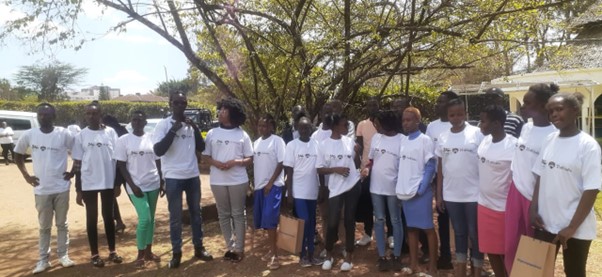
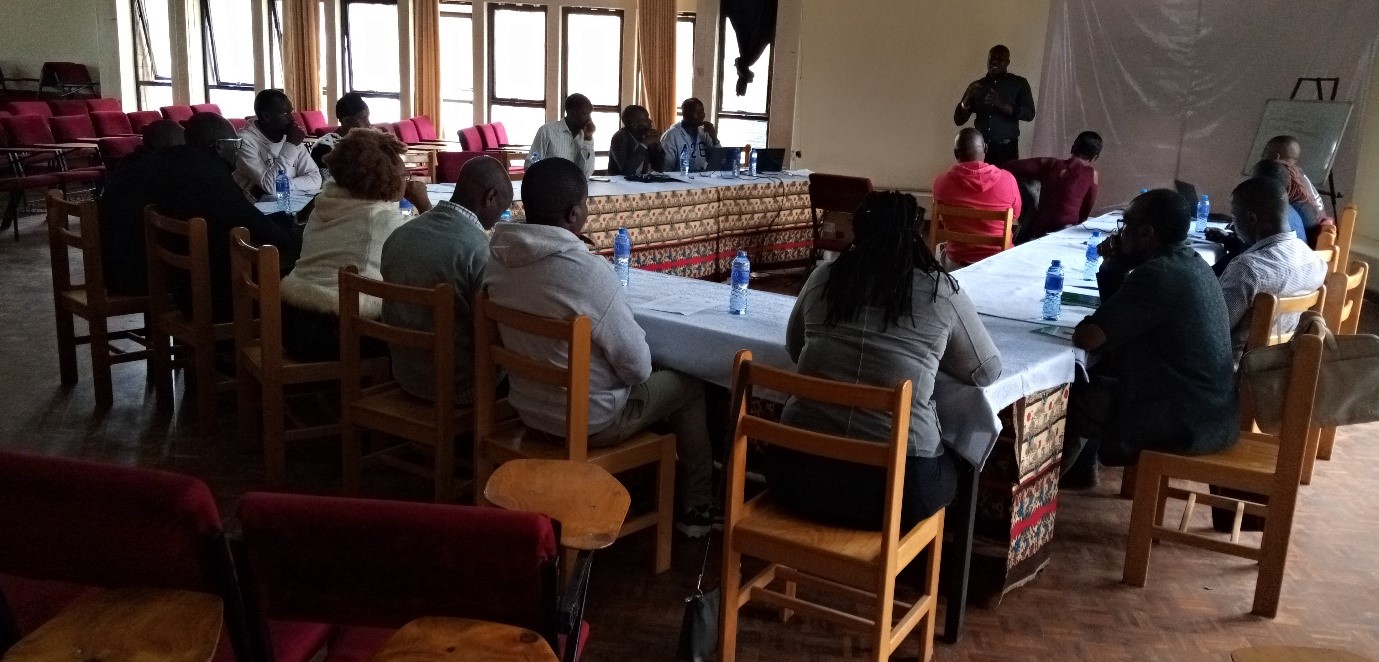
The
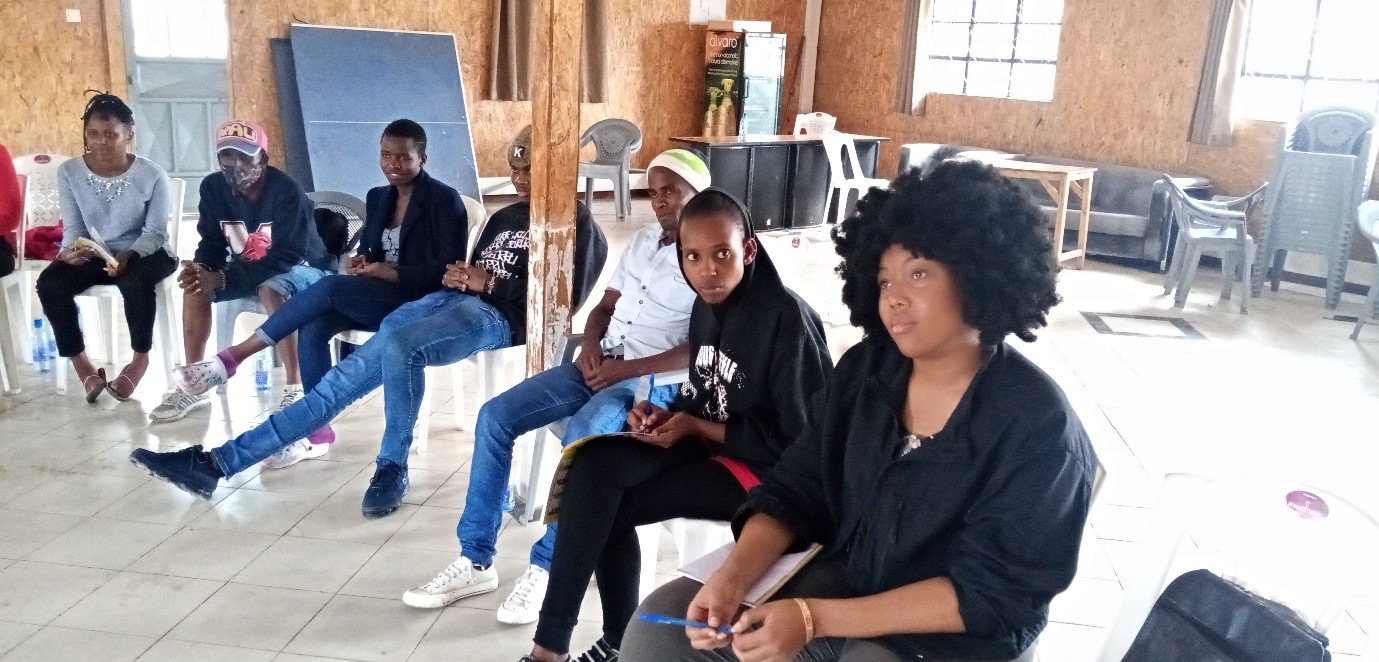
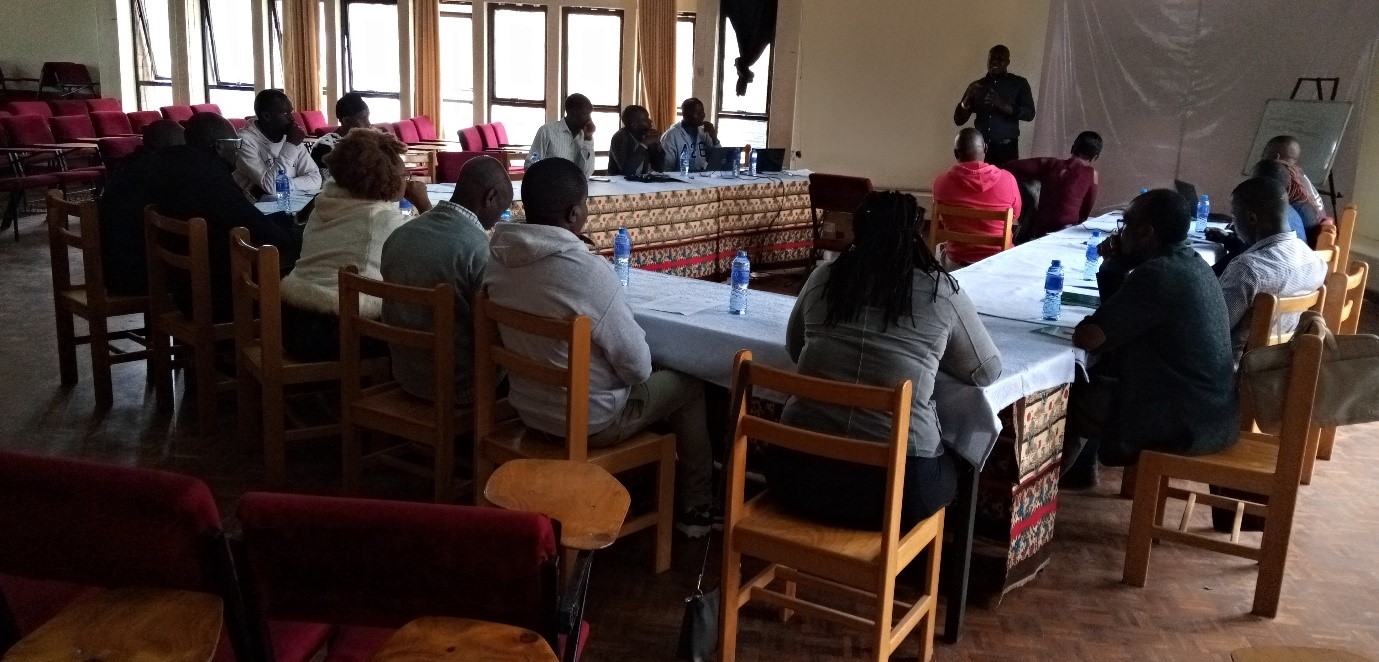
Deaf Youth Empowerment for Sustainable Livelihood (DYESL) project is a second
phase project that work towards ensuring 40 new Deaf youth aged 15-25 years in
Nairobi County live independent lives, are skilled and ready to access the job
markets, are empowered with the knowledge to maneuvers through life’s hurdles
and that of the community. Especially the employers provide an all-inclusive
workplace environment that recognizes and rewards Deaf youth’s contribution to
the various company’s mission and vision. In the UN Convention on the Rights of Persons
with Disability, Sustainable Development Goals, and other local and
international development frameworks, Youth are identified in various parts of
the SDGs and specifically in parts related to education, growth, employment,
and inequality, accessibility of human settlements, as well as data collection
and monitoring of the SDGs.
DEK in its pursuit to address the issues raised in Global Goals
number 3, 4, 5, and 8. The goals ensure
that global countries focus on good health and well-being, by ensuring healthy
lives and promoting well-being for all at all ages. Therefore, the Deaf Youth Empowerment for
Sustainable Livelihood (DYESL) project is a second phase project that works
towards ensuring 40 new Deaf youth aged 15-25 years in Nairobi County live
independent lives are skilled and ready to access the job markets, are
empowered with the knowledge to maneuver through life’s hurdles and that of the
community. Especially the employers provide an all-inclusive workplace
environment that recognizes and rewards Deaf youth’s contribution to the
various companies and vision.
Globally, the UN Convention on the Rights of Persons with
Disability, Sustainable Development Goals, and other local and international
development frameworks, Youth are referenced in various parts of the SDGs and
specifically in parts related to education, growth, and employment, inequality,
accessibility of human settlements, as well as data collection and monitoring
of the SDGs.
Through the support of Deaf Child Worldwide as the donor for this program, DEK has been able to support deaf young persons in the following areas of its 2 quarters.
20 DYPs have increased knowledge and choice about available
opportunities and pathways to either start their own business or be employed
·
Sensitizing DYPs on how to apply for UWEZO fund and KYEOP.
· Trained DYPs on life skills and financial /entrepreneurship.
20 DYPs enjoy safe healthy and productive relationship with their
community and employers that allow them to make decision that are right for
them and their careers.
·
DEK organized a sensitization session on safeguarding of PWDs in their
workplace to ensure that the workplace is safe for instance on safe reporting
of violence cases.
· External facilitators and employers were also trained on Deaf awareness and safeguarding.
20 employers demonstrate
increased deaf awareness and are empowered to make reasonable adjustment for
the deaf youths at their workplace.
- DEK
in its role of ensuring that DYPs enjoy a deaf friendly working
environment involved the employers in various activities to understand the
deaf culture and various adjustments to be implored at work place. IDAW
was one of the identified activities that were observed in collaboration
with other stakeholders.
We value Your Feedback